
 1 / 8
1 / 8When a home's plumbing reaches the end of its life, patching one leak only buys time before the next one springs somewhere else. Older galvanized steel and aging polybutylene or early CPVC lines corrode, scale up, and fail — leading to low water pressure, discolored water, pinhole leaks inside walls, and water damage. A whole-home repipe replaces all of your supply lines at once with modern copper or PEX, ending the cycle of repeat repairs and giving you clean, full-pressure water throughout the house.
When You Need Full Home Re-Piping
- Repeated pinhole leaks or burst pipes in different spots
- Low or dropping water pressure throughout the home
- Rusty, brown, or metallic-tasting water from multiple fixtures
- Older galvanized steel, polybutylene, or early CPVC supply lines
- A major remodel or addition that exposes outdated plumbing
- Condo or multi-story building with original, failing risers
What You Can Safely Check First
There's no DIY version of a repipe — it requires opening walls, pulling permits, and pressure-testing the new system to code. What you can do is note the warning signs: check whether your water is discolored after the home sits unused, look for green or white corrosion on exposed pipes, and track whether you've had more than one leak in the past couple of years. Bring those observations to us and we'll assess whether spot repairs or a full repipe makes more sense.
When to Call a Professional
- Any repeat leaks — it's almost always cheaper to repipe than to keep patching
- Galvanized, polybutylene, or failing CPVC supply lines
- Whole-home low pressure not traced to a single fixture
- Discolored water from multiple taps
- Condo or commercial buildings needing riser or unit repipes
How Blue Wave Handles It
- 1Inspect your existing plumbing and water quality to confirm a repipe is the right call
- 2Map every supply run and give you a clear, fixed scope with honest pricing
- 3Pull the required permits and protect your floors and furnishings
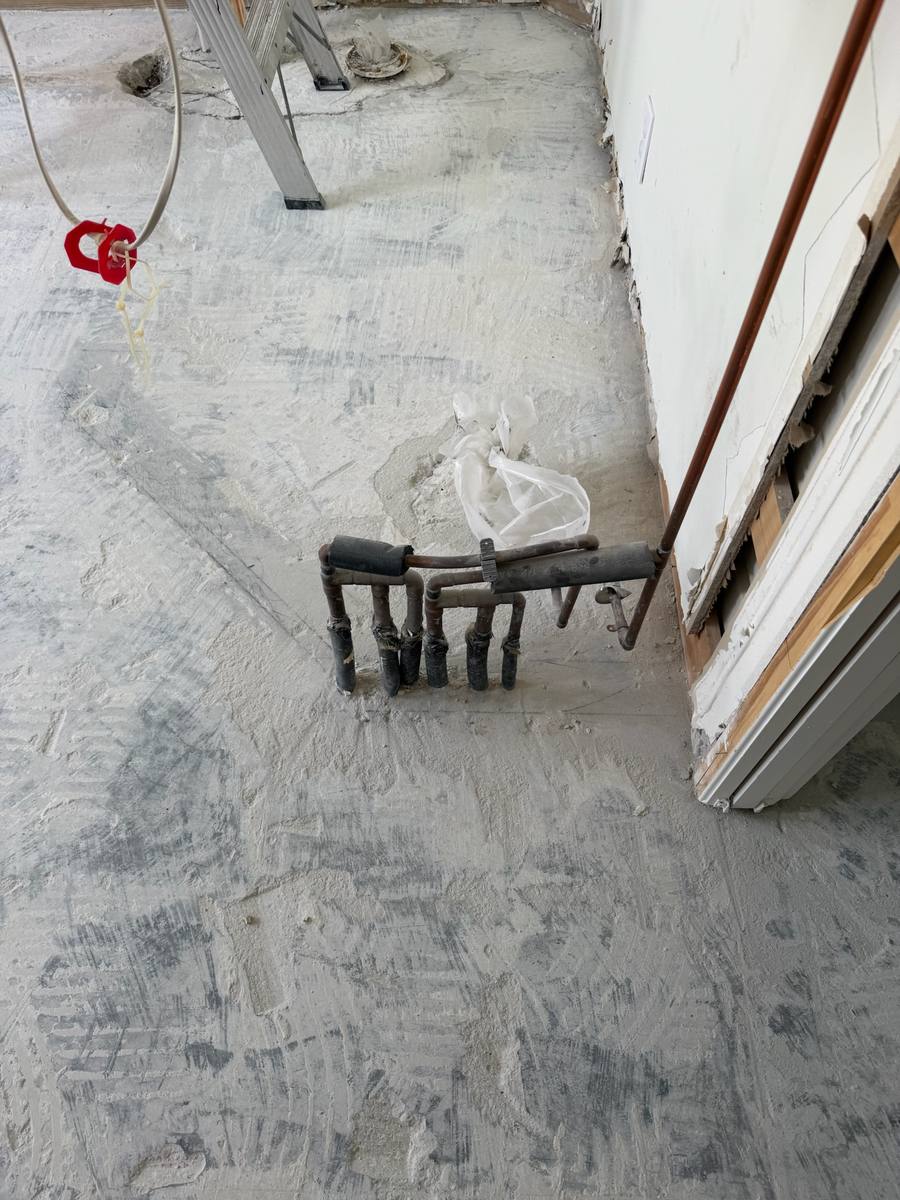
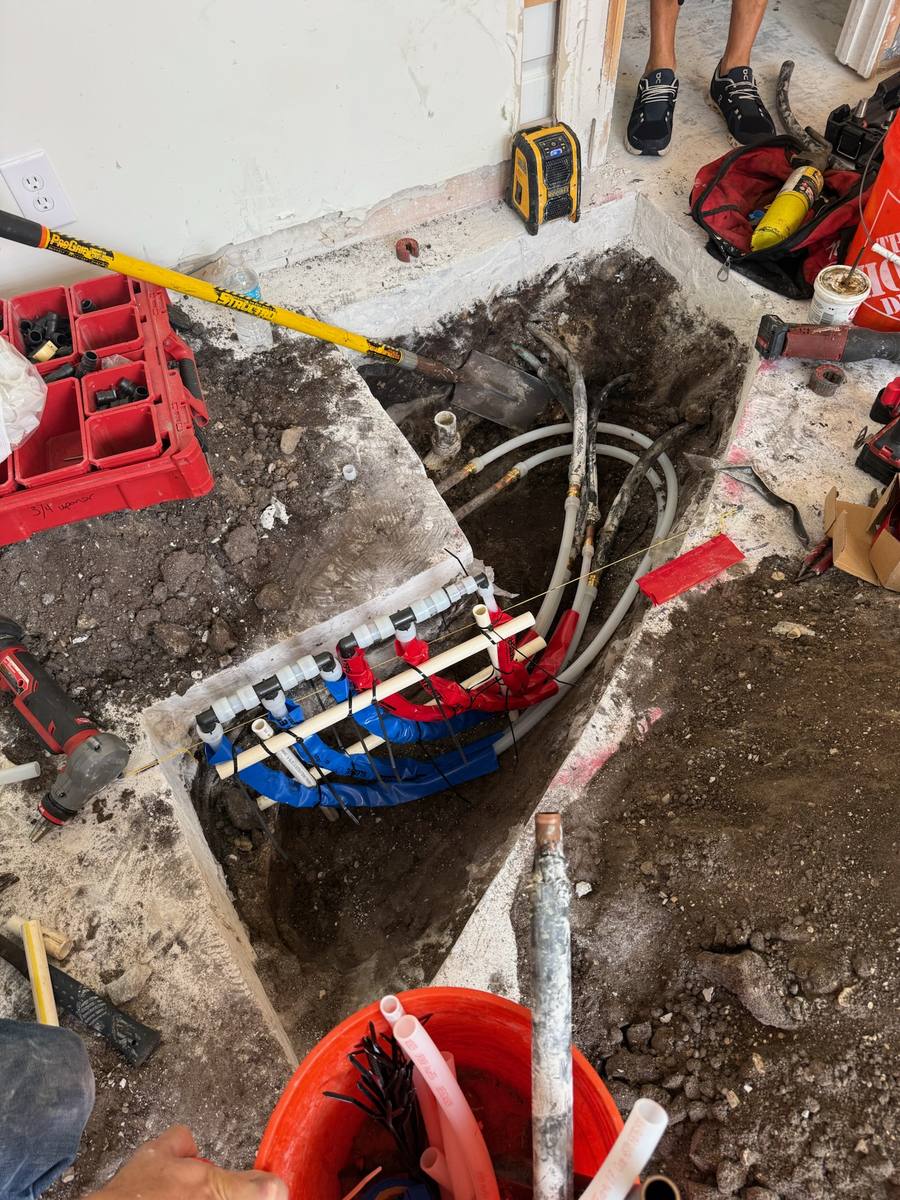
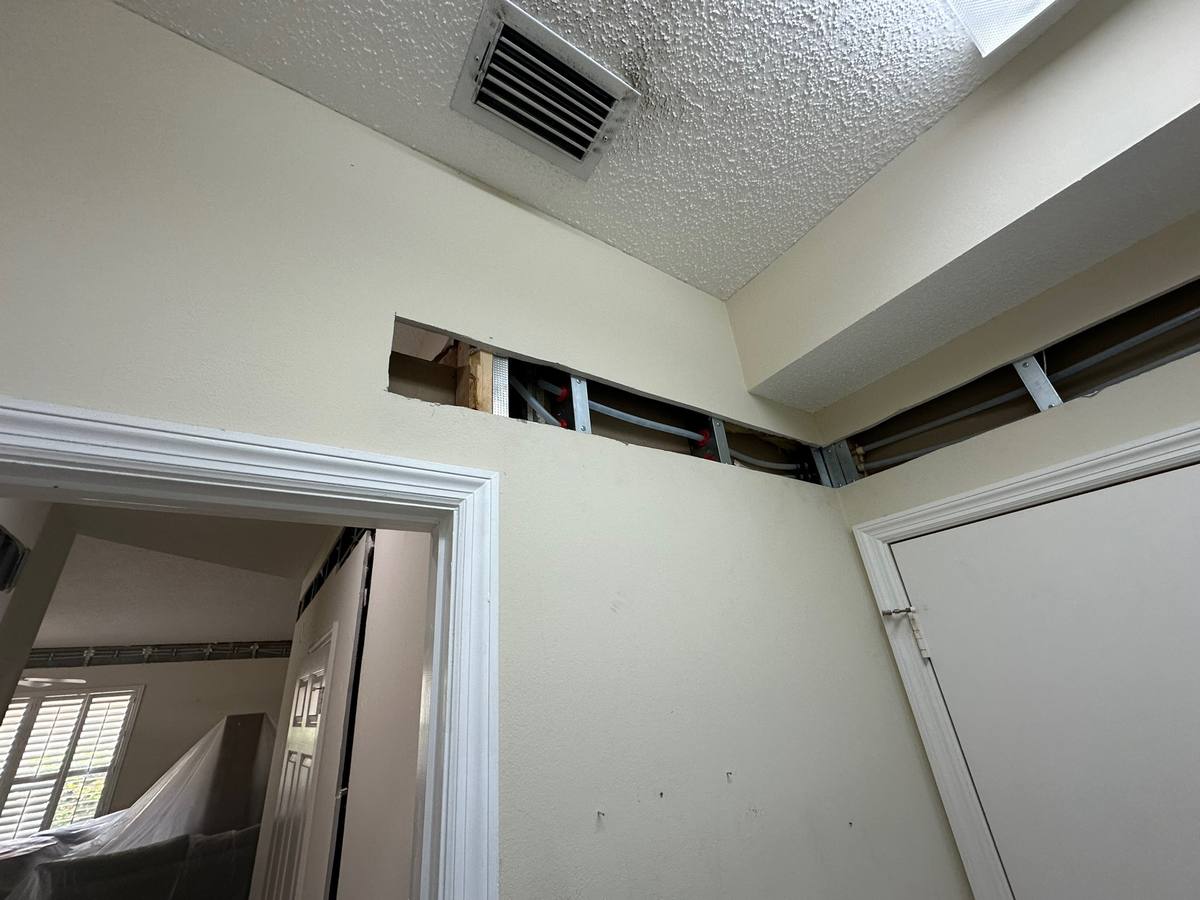
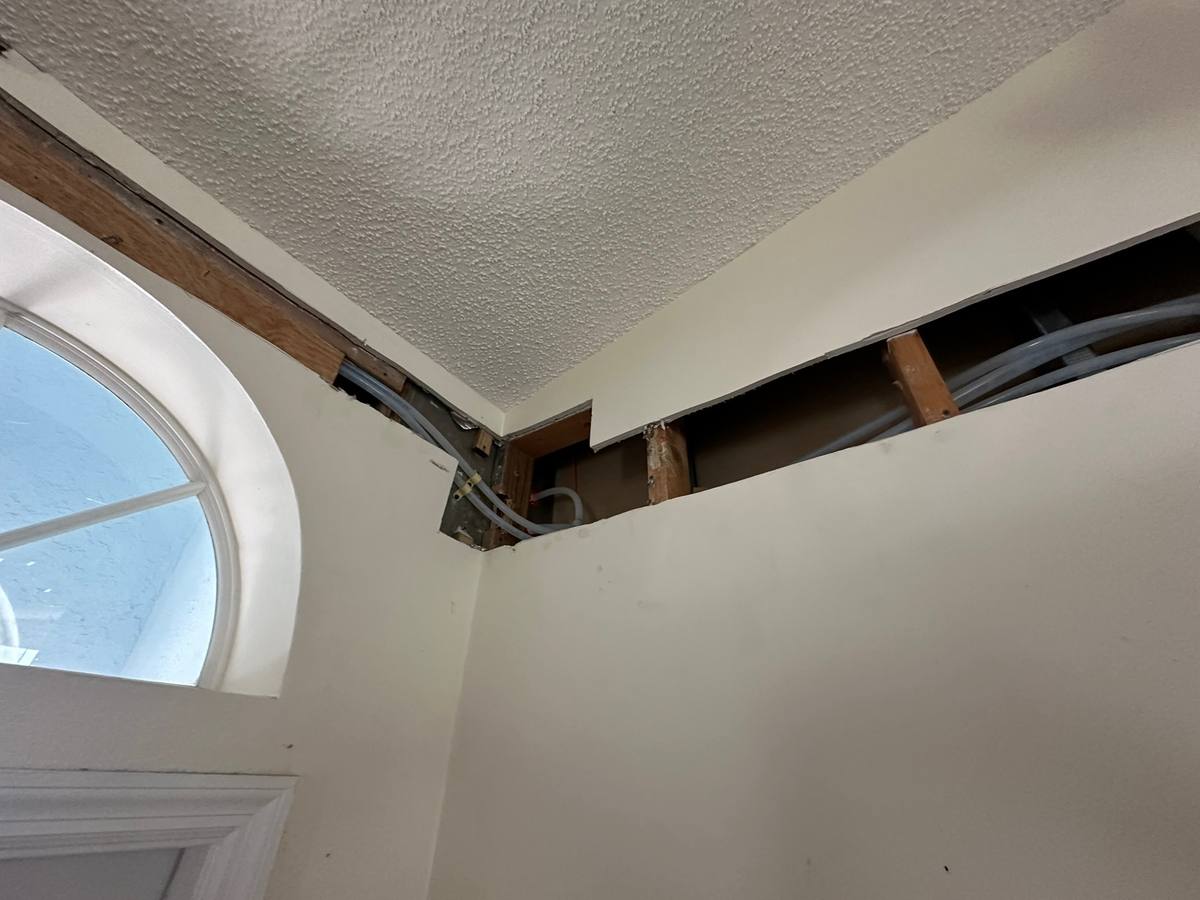
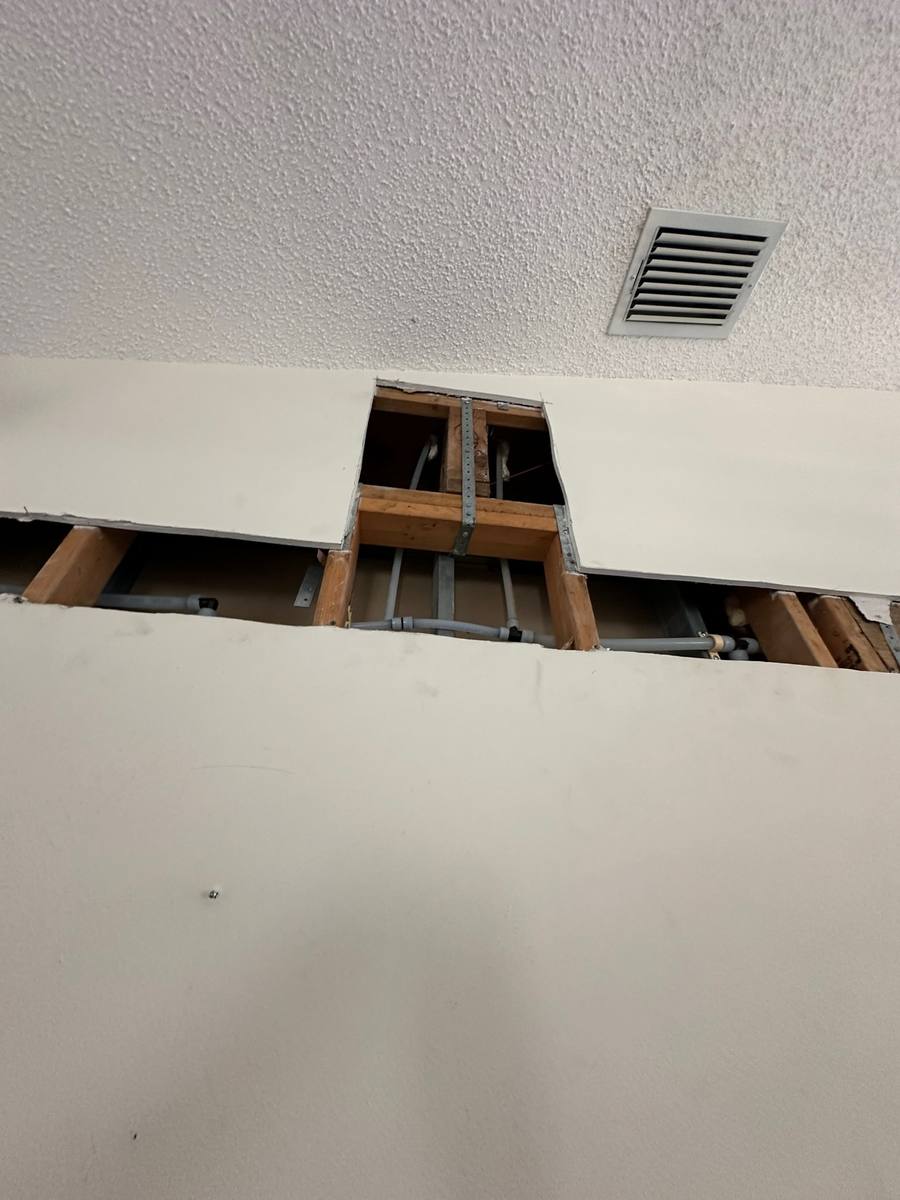
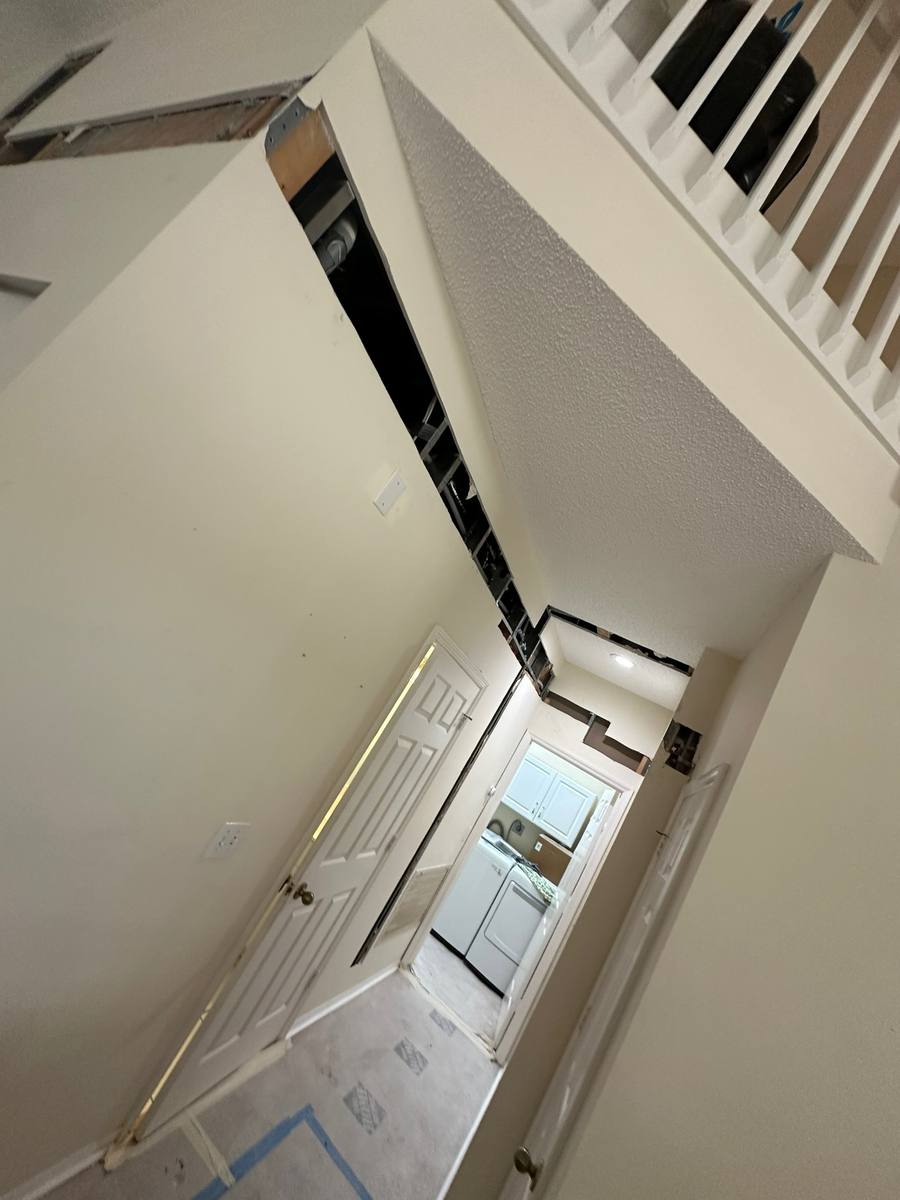
- 4Install new copper or PEX lines with minimal, well-planned wall access
- 5Pressure-test the entire system and schedule inspection
- 6Patch and clean up access points and confirm full pressure at every fixture
Common Causes
- Galvanized steel pipe corroding from the inside out
- Polybutylene and early CPVC degrading and cracking with age
- Hard water scaling and narrowing supply lines over time
- Coastal humidity and salt air accelerating pipe corrosion
- Original builder-grade plumbing in 1970s–1990s homes and condos
Local Plumbing Factors in Palm City & Martin County
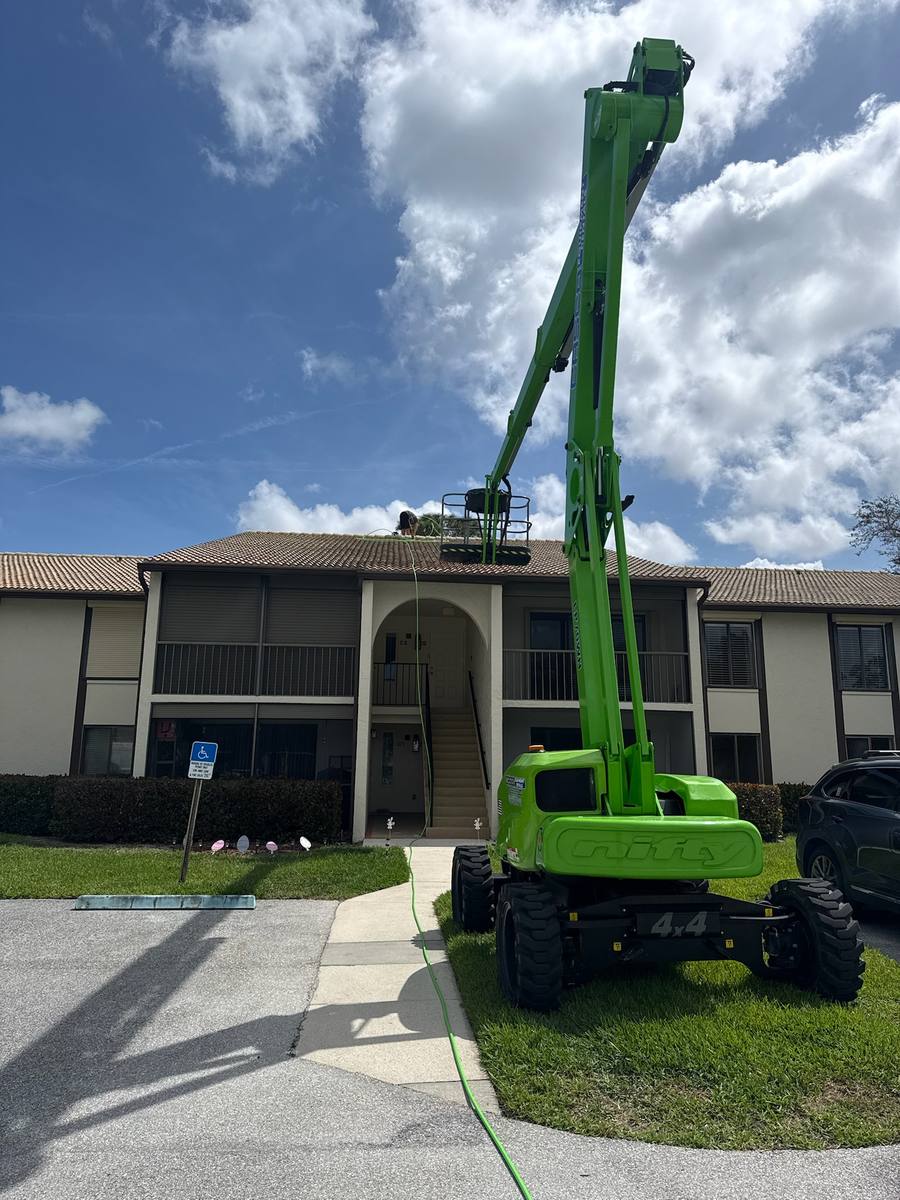
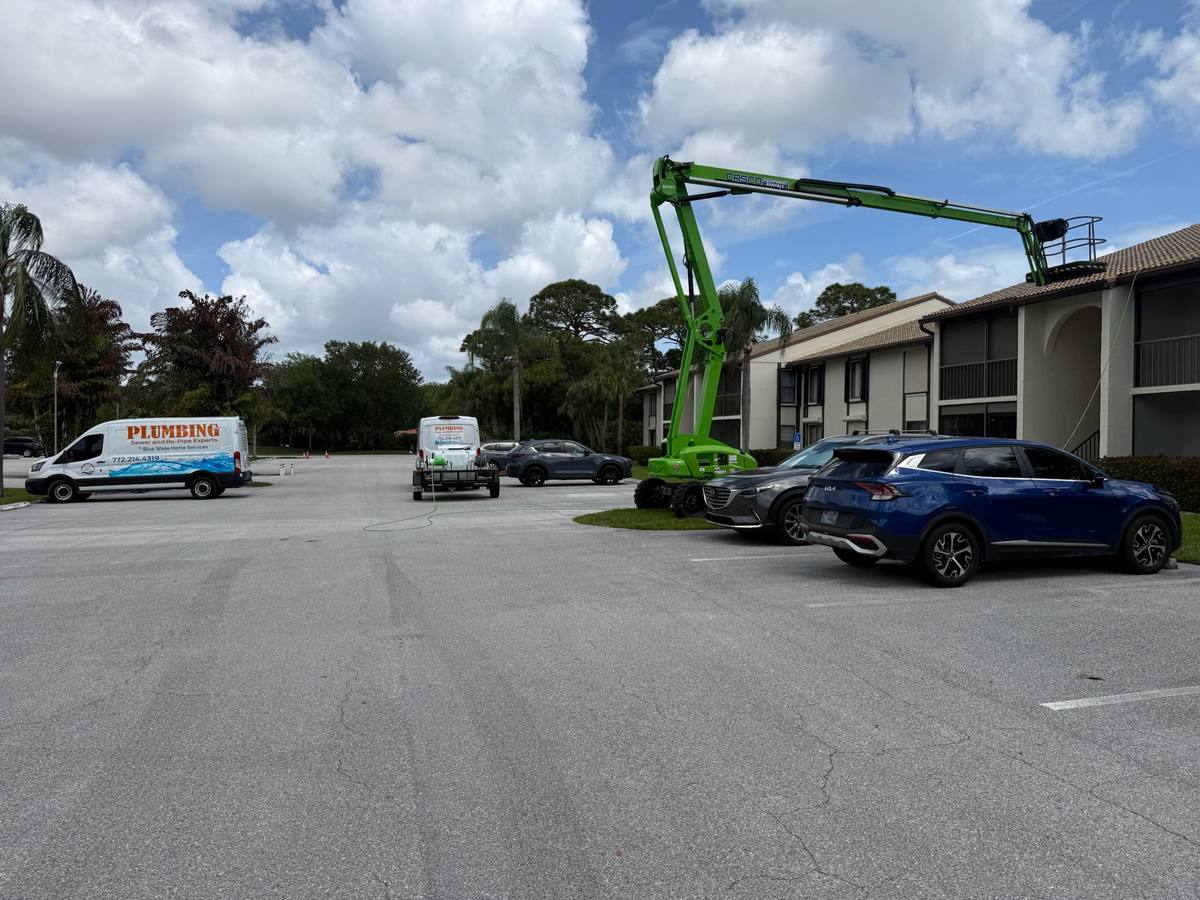
Many Palm City, Stuart, and Treasure Coast homes and condos built decades ago still run on their original galvanized or polybutylene supply lines. Combined with Martin County's hard water and the corrosive coastal air, those pipes degrade faster here than in many other regions. For multi-story condo communities, we have the equipment — including lift access for rooftop and riser work — to repipe units and buildings efficiently with minimal disruption to residents.
Cost Factors in Palm City
Repipe cost depends on the size of the home, number of bathrooms and fixtures, whether you choose copper or PEX, the number of stories, and how accessible the existing lines are. A repipe is a significant investment, but it ends recurring leak repairs and protects your home from water damage. We provide a clear, fixed quote before any work begins. Call (772) 214-4319 for an on-site assessment.